Post divorce, I was coming on to a lovely man whose heart had already been committed to someone else. Lack of self-worth, confidence and not being used to the treatment we all should have, I spent a good amount of time on the phone with him.
It culminated to a day when we were speaking. He did not want to tell me the name of his true love, and so he said, let’s just call her ‘Lilith.’
That stopped me dead in my tracks.
‘Lilith,’ I thought to myself.
I am Lilith. The one who would not continually ‘make do’ when it came to matters of the heart, of sovereignty. Who gave it all up rather than live in a box that was a prison.
Who suffered for her authenticity and was misaligned and misrepresented.
That day changed something for me. I put our silly flirtation into its correct perspective and moved on.
I am Lilith.
And so are you.
More information on Lilith. But first a suggestion to listen to the meditation that follows. This is from a good friend of mine Inner Blazes: one of the best Goddess meditations I have ever heard. You are going to be hearing a lot more from her.
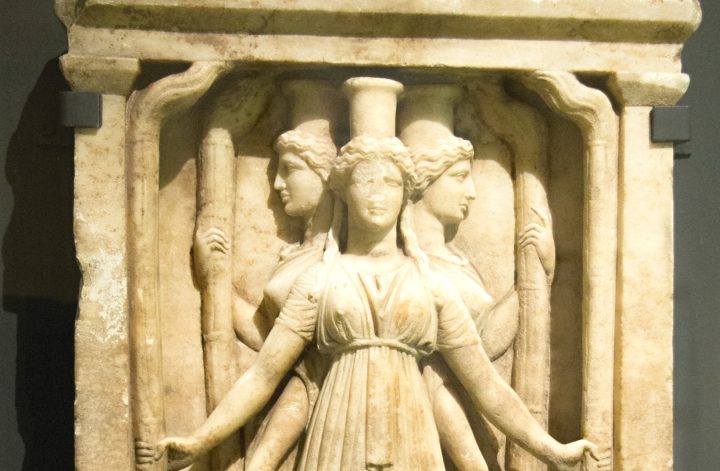
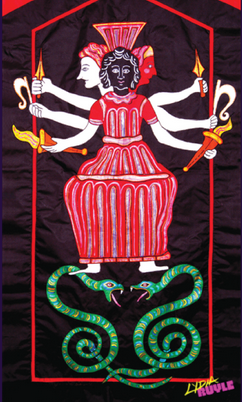
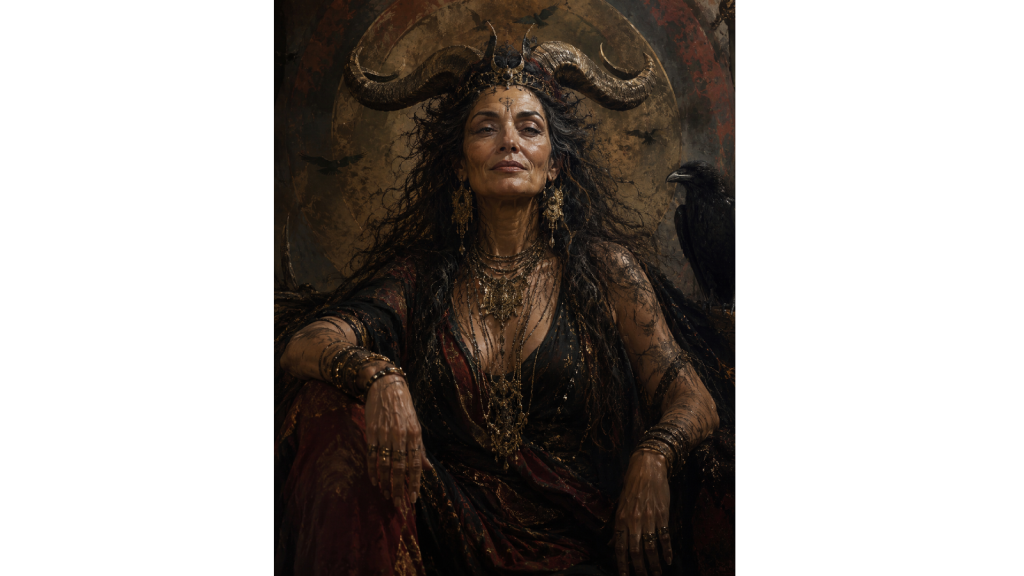
Lilith is a complex figure whose story has evolved over time and across cultures. In Jewish legend, Lilith is often described as Adam’s first wife and Eve’s predecessor. She was created from the earth, just as Adam was, and refused to be subservient to him. When Adam insisted on dominance, Lilith spoke God’s secret name and left the Garden of Eden, choosing independence over submission. She then went to live by the Reed Sea (now called the Red Sea).
Over time, Lilith’s image shifted dramatically. Originally, she was a Sumerian goddess called the “Divine Lady,” honored as an assertive and sexually self-possessed wild spirit of the night. By the 10th century AD, her story had been transformed in rabbinical legend: she was stripped of her divinity and recast as a demon, with cautionary tales warning women not to emulate her.
In many cultures, Lilith has been depicted as a demon, a child-killer, and a temptress, often symbolizing the “evil” attributed to women. However, contemporary feminist interpretations see Lilith as embodying the Goddess, the Great Creatrix, and the Queen of Heaven and Earth. She is associated with love, beauty, and eroticism, sharing these attributes with goddesses like Inanna, Ishtar, Asherah, Anath, and Isis.
Feminist scholars highlight Lilith’s intimate knowledge of the divine, her insistence on equality between the sexes, and her refusal to enable men. Rather than viewing her as a symbol of evil, they see her as a role model for justice and equality, representing women’s autonomy and power. Some suggest that the demonization of Lilith was an attempt by patriarchy to suppress matriarchal traditions and female empowerment.
“Something ancient stirring
Not arriving but awakening”

This post has been done with the help of Hinneh BEHOLD! The divine feminine library – Her Magic at your fingertips. Hinneh is a member accessible feature of the divine feminine app.
This post is part of Goddess 101 Texts – telling another side of Our Story.
Text ‘Join’ to 256-815-0760 to get your free daily dose of inspiration. *text Stop to stop at any time. Consent.
#Goddess101Texts a daily wake up call from Ancient Mom.

Use QR code above to text ‘Join’ plus your email to 256.815.0760 (Sorry for now, US only as International Texting is a thing, but you can see our monthly texts here and top right sign up to be notified of new blog posts from this site.)
Brought to you by the divine feminine app. Over ten years, the original source for finding Sacred Women Circles, events, retreats and resources. Sign up on the app to get a weekly email of Circles by you and online.